Categories
Blog

6 Delicious Vegetarian Pizza Toppings That Are Worth Their Weight in Gold

The modern Australian pizza is a versatile beast. A melange of cultural crossovers in Australia has led to our food culture being a multi-national tapestry, where proud culinary histories of nations have met and now comfortably coexist in delicious harmony. At OOSHMAN (formerly known as Manoosh) we pride ourselves on producing traditional Lebanese-style pizzas with a distinctive modern twist.

This means we cater to a wide range of devotees, one being vegetarians who come to OOSHMAN specifically for our delicious vegetarian pizza options. Here are 6 delicious vegetarian pizza toppings that we use and love, and which keep vegos and meat-eaters alike coming back for more.

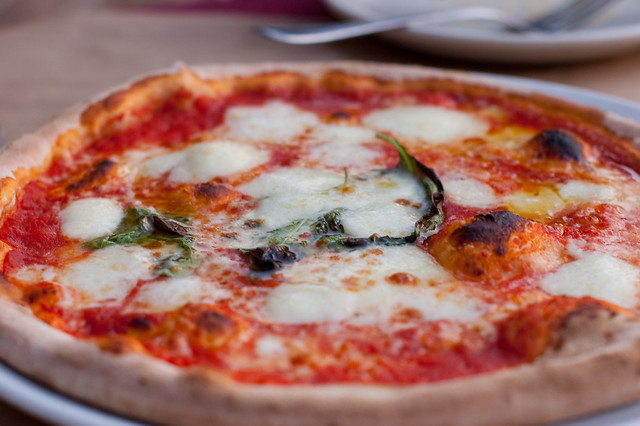
vegetarian pizza options

We understand that pizzas aren’t just for meat lovers so we have a wide range of vegetarian options on our menu too! Here are 6 vegetarian and vegan pizza toppings that are worth their weight in gold


Cheese

The heart and soul of the pizza, cheese is one of the three core ingredients that constitute the beloved dish. While many vegetarians choose to eat cheese, it is definitely a no-go for vegans. Thankfully some incredibly talented culinary mad scientists have developed vegan cheese that is completely dairy-free; and frankly, we can’t tell the difference. We use Daiya vegan cheese that is 100% dairy free.

best haloumi inner west sydney

Mushrooms

Theis delectable fungus has been a staple in pizza making for hundreds of years, dating back to one of the original Italian creations, the pizza caprocciosa – topped with baked ham, mushrooms, artichoke and tomato. Mushies are a fleshy, delicious and vitamin-rich addition to any pizza with a heavier texture and hearty taste. There are also many different varieties, each with their own different flavours and characteristics.
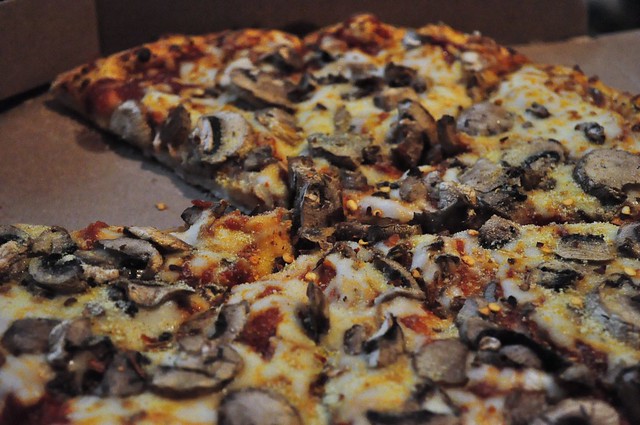
Vegetarian pizza options
Image source Norlan Cruz via Flickr

Feta

Feta is a delicious, exotic addition to any pizza and has found its way onto many of the different vego options on our menu. With a salty, rather sour taste and a soft, crumbly texture, fetta nicely offsets the heavier ingredients on a pizza, offering a fresh burt of flavour. And when there are a few olives thrown in the mix, it is a truly magical experience.
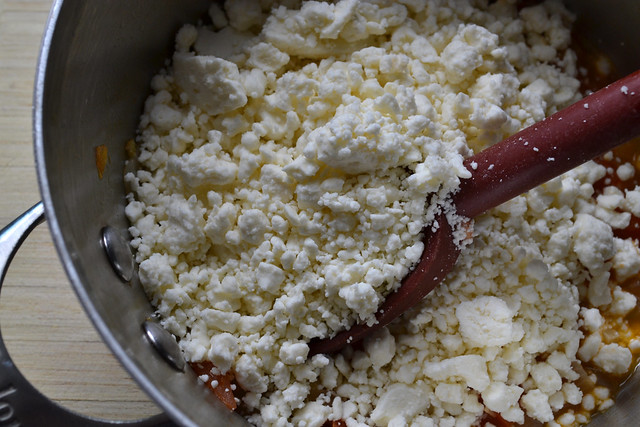
vegetarian pizza options
Image source Cara via Flickr

Jalapeños

Sometimes a pizza needs a little kick, and amongst all of the chilli options, jalapeños are arguably the most delicious. Jalapeños are medium-sized chilli peppers, and despite their spicy complexion, are actually very fresh and fragrant. They are generally quite mild, and are appropriate for even the most sensitive chilli skeptics.
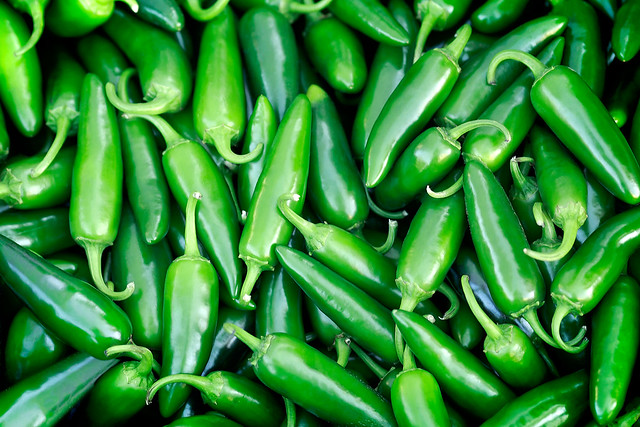
Jalapeño Heaven
Image source Todd Klassy via Flickr

Olives

The great divider. Olives are one of those you either love it or you hate it kind of foods, but if you’re a fan, can make all the difference to a pizza. For vegetarians, they can provide a well-needed salty twang to any pizza, and when cooked at high temperature in an oven, they are extremely juicy and soft. Olives are a major Mediterranean speciality and have found their way onto a variety of our pizzas.

vegetarian pizza options

Haloumi

A middle-eastern delight and perhaps the most mouth-watering vegetarian option available, haloumi has truly made its mark as a vego favourite in modern Australia cuisine. Its high melting point means it gets crispy rather than melts, and combined with its salty taste makes it a delicious vegetarian substitute for meat. Its rich flavour means its great in smaller quantities, and when scattered across a hot pizza, is truly a revelation.

vegetarian pizza option

Whether you are vegan, vegetarian or a meat eater, you won’t find a healthier, more delicious or authentic version of modern Lebanese pizza than right here at OOSHMAN. Simply order from us online or drop by and see us in person. We guarantee you will not be disappointed, OOSHMAN  do some of the vegetarian food in the inner west!

Or if you’re after top quality mobile pizza catering, get in touch today!

Categories
Traditional Ingredients Blog Lebanese Food

A Brief History of Pizza in Australia

Pizza is the most popular takeaway food in the world, with minor variations of the dish scattered all across the globe. Delicious, comforting and versatile, it has a proud and colourful history, with different cultures boasting their own variations dating back thousands of years. Today in Australia we are blessed with a variety of different pizza options thanks to our multi-national food culture. Let’s have a look at how we got to where we are today.

a brief history of pizza in australia
CC image courtesy of Steven Lilley

Let’s take a look at a brief history of pizza and how it got to Australia: from the classic Pizzas to the modern, multicultural variations of the dish.

A Brief History of Pizza

Pizza is one of the world’s most beloved foods; there’s no doubting it. In its most simple form, pizza can be described as an oven-baked flatbread topped with sauce and cheese, but the modern pizza has become so much more than that. Its origins can be traced back to the Ancient Greeks, who would adorn their breads with ingredients like oil, herbs and cheese, in a crude version of the now illustrious dish.

The etymology of the word ‘pizza’ itself is, of course, Italian, with the first recorded use of the word dating back to a Latin text from Gaeta in southern Italy, around 997 AD. Going even further back, the word can be traced to the Ancient Greek work pikte, the Latin picta, or the Old High German word bizzo or pizzo, meaning mouthful. As is the case with many modern words, nobody is exactly sure where it originated from.

history of pizza sydney
Image courtesy of rob koziura

The modern flatbread pizza was born in Naples, Italy, around the end of the 19th century. Popular legend details that the classic pizza Marghertia was invented in 1889 when Raffaele Esposito, a famous pizza maker, was commissioned to create a dish for Queen Marghertia.

Of the three different types of pizza he made for her, the Queen preferred the one that best represented Italy – with red tomato sauce, white mozzarella and green basil – the colours of the Italian national flag. Thus the modern marghertia pizza was born.

Man’oushe

One of Lebanon’s most famous dishes, man’oushe, or manoosh, is a close relative of the classic Italian pizza. Following a similar method to its Mediterranean cousin, traditional Lebanese man’oushe is a dish made from flatbread, topped with zaatar and ingredients such as fresh herbs and vegetables, meats and cheeses, and cooked in an oven at very high temperatures.

Traditionally consumed for breakfast, man’oushe is a mainstay of traditional Lebanese food culture. Differing from Italian pizza, man’oushe uses a bread that is chewier, with a crusty exterior and zaatar as a base, and harnesses the possibility of endless topping combinations. You can see why we used it as our namesake.

history of lebanese pizza

Pizza culture in Australia is very much ingrained in our multicultural identity. In the mid to late 19th century, troves of European migrants came to Australian shores in search of gold and work. By the 1920’s pizza had begun to become a part of Australia’s food culture, but it wasn’t until the post-WWII mass migrations of Europeans in the 1950’s and 60’s that saw our obsession with pizza really explode. In 1961, Toto’s Pizza House, the country’s first dedicated pizza restaurant, opened its door in Carlton, Melbourne – a classic, modern Italian pizza place.

Since that time, endless cultural crossovers have seen the modern Australian pizza evolve into something marvellous, containing elements from around the world that have come together to create something that is both universal and unique.

If you’re in Sydney and want to try a great modern Aussie pizza or our Lebanese take on pizza, Drop by OOSHMAN (formerly known as Manoosh) or order online.

Categories
Blog Lebanese Food

It’s Nearly Here! New OOSHMAN in Marrickville!

If you haven’t already heard (where have you been!) there is a new OOSHMAN (formerly known as Manoosh) restaurant opening in Marrickville! This means our delivery area will be expanding (more details later) and our delivery times will be even faster. Remember, if you or anyone you know is unfortunate enough to be out of our delivery area – now there is hope! We’re open for business from 1st February 2016!

new manoosh

A new OOSHMAN Restaurant means our delivery area will be expanding, and our delivery times will be even faster!

Also, as if things couldn’t get any better, We are also partnering with Booza to supply us with vegan ice cream and Ben and Jerry’s to supply us with ice cream.

Once the new place opens, will be changing up the way we serve our classic Lebanese style pizza’s too. You can read more here.

Drop by OOSHMAN or order online, and if you haven’t already, you can subscribe to our monthly newsletter to stay in the loop.

Categories
Blog Lebanese Food

OOSHMAN’s Lebanese Pizzas go Back to the Old School

Stop the press! There’s some hot new Pizza news direct from OOSHMAN (formerly known as Manoosh) HQ!

OOSHMAN pizzeria has a new (old) way of serving Lebanese style pizzas.

For the past 7 years we have been serving our Lebanese style Meat pizza (Lahembajin) Sujuk Pizza, Kufta Pizza and Cheese Pizza in a box open flat like a pizza.

Once we open our new store in Marrickville (if you’ve been living under a rock and haven’t heard about the new store, read this) we will be going back to the traditional way of folding the pizza and wrapping it.

IMG_8844-re2

Along with our new restaurant, comes a new way of serving our classic Lebanese style Pizzas, and there’s a lot of benefits to this too…

Not only is this cool because it’s the traditional way of serving, but look at all the benefits!

✓ Green for the environment as we are using less cardboard
✓ Traditional way of serving a Lebanese pizza
✓ Guaranteed to stay warmer 4 times longer as the pizza is folded on top of eachother and isn’t exposed to air. Being light with less toppings will go cold faster, however this way will keep it warmer.
✓ Easier to eat
✓ Easier to pack away in a bag for lunch/dinner
✓ Less boxes meaning less space taken up
✓ Can put in a bag when taking home so easier to carry while walking or riding a bike

Drop by OOSHMAN or order online, and if you haven’t already, you can subscribe to our monthly newsletter to stay in the loop.

Categories
Blog Lebanese Food Traditional Ingredients

Awesome Traditional Lebanese Ingredients & Cooking Techniques

Lebanese cuisine has been around for thousands of years and amazingly little has changed since ancient times, with the secret to this healthy and delicious food still being fresh ingredients and time tested techniques. As Lebanese food continues to rise in popularity around the world, we look at some of the most awesome traditional Lebanese ingredients & cooking techniques. Let’s take a look at a few of the essential elements of traditional Lebanese cooking.

Awesome Traditional Lebanese Ingredients & Cooking Techniques
CC Image Courtesy of insatiablemunch on Flickr http://bit.ly/1RjCQBO

Traditional Lebanese food is famous for its fresh ingredients with everything from mint and parsley to cucumber and tomatoes playing key roles in classic dishes.


Traditional Lebanese Food Ingredients

Fresh herbs and vegetables

Traditional Lebanese food is famous for its fresh ingredients with everything from mint and parsley to cucumber and tomatoes playing key roles in classic dishes. Regardless of whether you are preparing a falafel wrap, a shawarma or salads such as tabouleh or fattoush, they simply wouldn’t be the same without the burst of flavour provided by fresh local ingredients.

top lebanese ingredients

Bread

In Lebanese cuisine nothing is more important than bread as we eat fresh baked pita with every meal of the day. Pita provides the perfect way to enjoy our many dips, such as hommus and baba ghannouj; it is the ideal vessel for encasing falafel balls or marinated meats, or you can simply slather your pita with labne for a fast and healthy breakfast.

main lebanese cooking techniques
CC image courtesy of jeffreyw on flickr http://bit.ly/1Dtyqwz

Tahini

Made from crushed sesame seeds, tahini has been a core part of Lebanese cuisine for thousands of years. Apart from being a central ingredient in any authentic hommus, tahini is added as a dressing to everything from falafel wraps to shawarmas, making it an essential element in any Lebanese kitchen.

traditional lebanese food

Legumes

Our cuisine also includes plenty of legumes, particularly chick peas and lentils, both of which have a wide range of health benefits. Chick peas are the star of the show in classics such as falafel and hommus, while one of our most popular dishes, mujadara, basically consists of lentils, onions and rice.

traditional lebanese cooking

Lamb

While Lebanese food nowadays can contain anything from beef to lamb to chicken, lamb is the traditional meat of choice. Our many mouth-watering lamb dishes include our national dish, kebbeh nayeh, as well as our wildly popular ground lamb kufta kebabs.

lebanese cooking techniques
CC image courtesy of Basher Tome on flickr http://bit.ly/1L9FKzE

Traditional Lebanese Cooking Techniques

Vertical roasting

Since the early days of the Ottoman occupation Lebanese cooks have been roasting meat on vertical spits; this enables the meat to cook in its own fats and juices making it tender and delicious. Our most famous dish utilising the vertical roasting technique is none other than shawarma.

Grilling

Few cultures have been grilling longer than we have, with our traditional ground lamb kufta kebabs one of our most famous grilled specialties. Lebanese cuisine also includes a variety of grilled skewers that can include all manner of meats and vegetables.

Baking

Wood fired ovens have been in use in the Middle East for eons, so it should come as no surprise that Lebanese people have mastered the art of baking. Our many baked specialties include the flat bread ‘Lebanese pizzas’ known as manoosh, as well as our impossibly delicious baklava.

Frying

While Lebanese don’t tend to cook in oil very much frying certainly has its place in a true Lebanese kitchen, particularly when it comes to preparing the perfect falafel balls or a delicious batch of fried kebbeh.

Get the year started off right by treating yourself to some of Sydney’s most delicious and authentic Lebanese food. Simply drop by OOSHMAN (formerly known as Manoosh) or order from us online, because you haven’t lived until you have tasted our traditional Lebanese cuisine.

Categories
Blog Lebanese Food Traditional Ingredients

What is Hommus? And Why We Should All Be Eating More of it

Few elements of traditional Lebanese food are more popular or better known than hommus, so if you haven’t discovered this ancient delicacy yet you are in for a real treat. Also known as hummus, humos, hummous and hoummus, the word itself is actually the Arabic term for chickpeas and nowadays you can find this popular food in almost every country on earth. Here we will take a closer look at what hommus is, where it came from and why life simply wouldn’t be the same without it.

what is hommus
CC image courtesy of Basheer Tome on Flickr http://bit.ly/1P56LZw

The health benefits of chickpeas have been known for millennia, although primarily chickpea based, these days you can find hommus that contains everything from capsicum to sweet potato

What is hommus?

While most consider hommus to be a dip, it can also be spread on a sandwich or eaten as a complete meal all on its own. These days you can find hommus that contains everything from capsicum to sweet potato; however, most people will agree that authentic Lebanese hommus has four basic ingredients – chickpeas, tahini, lemon juice and garlic.

An ancient and delicious mystery

It seems that hommus has been around for so long that no one really knows when it was first made, though it appears to have been created by the Ancient Mesopotamians thousands of years ago. The core ingredients of hommus are among the oldest known to mankind (with chick peas being one of the first crops ever cultivated); however, the earliest written evidence of a dish resembling hommus doesn’t emerge until the 13th Century in Egypt. The lack of written evidence prior to this point is likely due to the fact that communication between people was extremely limited during ancient times and few could even write.

best hommus in sydney

Healthy and nutritious

The health benefits of chickpeas have been known for millennia and were a vital source of nutrition for everyone from the Ancient Romans and Egyptians to the nomadic tribes who travelled throughout the region. By adding garlic, tahini and lemon juice, hommus becomes almost a type of super food – high in protein, vitamin B6, vitamin C, zinc, iron, folate, phosphorous, sodium, manganese and dietary fibre.

Making hommus

Every Lebanese family has their own secret recipe for making authentic hommus, though the basic technique is relatively simple.

  • Rinse chick peas and soak them overnight in water.
  • Strain the chick peas, add fresh water and cook them.
  • Once cooked, strain the chick peas again before grounding them into a rough paste. (You can do so by using a food processor or simply mashing them with a large wooden spoon)
  • Add crushed garlic, tahini and lemon juice and mix thoroughly. If you’d like to add your own special ingredients, such as olives, peppers or sun dried tomatoes, do so now and mix well.
  • Your hommus is now ready to eat! It will keep for up to 5 days in the fridge if covered well or you can freeze hommus and it will be good for up to 6 months.

best lebanese hommus sydney

You won’t find many foods that are healthier, tastier or more Lebanese than hommus and none can compare to our delicious and authentic version here at OOSHMAN (formerly known as Manoosh). To get a taste of our heavenly hommus order from us online or drop by and see us in person, because we have a fresh batch right here waiting for you!

Categories
Blog Lebanese Food Traditional Ingredients

What is Labneh? One of the Middle East’s Best Kept Secrets

Despite it being much more common than people think, we’re often asked ‘what is labneh?’. The long answer is actually rather interesting. Light, refreshing, versatile and delicious, labneh is a type of soft cheese that has been part of traditional Lebanese cuisine for eons. Also known as labneh, lebneh and even zabedi, this humble yet ancient food is one of the Middle East’s best kept culinary secrets; let’s take a look at why you need to know about labneh.

what is labneh
CC image courtesy of stu_spivack on Flickr

Labneh is healthy, delicious and will make a fantastic addition to any meal of the day. Apart from being an important source of protein, labne is considered a probiotic food, meaning that it is high in a range of healthy bacteria that help to boost your immune system.

The history of labneh

While no one knows exactly when labneh was first created, cheeses made from strained yoghurt have been eaten in the Levant (a region comprising modern day Lebanon, Syria, Palestine, Jordan and Israel) for thousands of years. Ancient Bedouin tribes used labneh as an important source of protein and even had a dry version designed to suit their travelling lifestyle, while the Armenians are widely credited with introducing labneh throughout much of the Middle East many centuries ago.

A wealth of options

The popularity of labneh grew quickly and before long every culture throughout the Middle East and beyond had developed a unique version. The main difference between labneh varieties comes via the choice of milk (which drastically affects the flavour) and everything from goat, sheep and cow’s milk through to camel and water buffalo’s milk have been used. The other main differences in labneh come from whether it is eaten fresh, dried or preserved in olive oil.

How to eat Lebanese labneh

In Lebanon, this versatile food tends to be eaten in a similar fashion to hommus and any traditional mezze spread will always include at least one type of labneh. Labneh makes a delicious dip for fresh pita or falafel balls; it is a nutritious breakfast when paired with a drizzle of olive oil and a sprinkling of fresh za’atar, and it is often slathered on a pita with za’atar and vegetables to form a fast and tasty lunch.

what is labne
CC image courtesy of Alpha on Flickr

Health benefits

Like most Middle Eastern foods, labneh is extremely good for you. Apart from being an important source of protein, labneh is considered a probiotic food, meaning that it is high in a range of healthy bacteria that help to boost your immune system. Labneh is also low in calories and the process of lactic acid fermentation involved in making labneh means it offers a range of nutritional benefits as well.

Making labneh

The beauty of this amazing food is that it is extremely easy to make, and while every family has their own special technique the basics are as follows.

1. Take freshly made yoghurt (ideally made from raw milk) and mix in a sprinkle of salt.
2. Line a colander with cheesecloth, set it over a large bowl and pour in the yoghurt mixture.
3. Leave it to strain for 24 hours.
4. Your labne is now ready to eat though you can also mix in your favourite herbs and spices such as garlic, chilli, ginger or dill.
5. If kept covered and refrigerated labneh can keep for up to 2 weeks; however, you can also form it into balls and preserve it in olive oil where it will keep for months.

best labne in sydney

Labneh is healthy, delicious and will make a fantastic addition to any meal of the day and no one makes authentic Lebanese labneh quite like we do. To get a taste of Sydney’s best Lebanese food simply drop by OOSHMAN (formerly known as Manoosh) or order from us online; you will be glad that you did.

Categories
Blog Lebanese Food Traditional Ingredients

What is Sujuk? Meet Your New Favourite Snag

Also known as soudjouk, sucuk, sudzhuk and even soutzouki, sujuk is one of the world’s most delicious and ancient types of sausage, so if you are a fan of meat prepare to meet a snag you will never forget. Here we will take a closer look at what sujuk is, where it comes from and what makes it so special.

what is sujuk

What is Sujuk? In Lebanon this versatile sausage is often fried and eaten with tomatoes and a drizzling of garlic sauce in a pita.

Taste buds, meet sujuk

Sujuk is a type of dry, spiced sausage that is somewhat similar to salami, with its three main characteristics being that it is salty, dry and has a high fat content. It is traditionally made using ground beef (though mutton, pork and even horsemeat have also been used) and it is combined with spices such as garlic, salt, cumin, sumac and red pepper before being piped into a sausage casing. Sheep or goat intestines have historically been the casing of choice, though nowadays both natural and artificial sausage casings are used. Once encased, sujuk is dried for at least three weeks before it is considered ready to consume.

Who created sujuk?

The Turkish are widely believed to have been the first to make sujuk and while the exact date of this delicious invention is unknown most scholars believe it was at least several thousand years ago. After gaining prominence in Turkey, sujuk quickly spread throughout the Balkans, Central Asia, the Middle East, the Mediterranean, and beyond, with each culture adding its own unique style and flavour. The main difference between types of sujuk tends to be the choice of meat as well as the level of spiciness involved.

what is sucuk
CC image courtesy of Multichill on Flickr

Sujuk in Lebanon

While sujuk has been eaten in Lebanon for many years, it wasn’t until the early 1900’s that the practice became widespread and this was thanks in large part to a huge influx of Armenians from Turkey. The Armenians quickly established themselves as part of Lebanese society and their talent for making tasty sujuk wasn’t lost on the locals, with sujuk fast becoming a core element of traditional Lebanese food.

How to eat sujuk

Raw sujuk is rather stiff, hard and challenging to chew, which is why most prefer their sujuk cooked. One of the most popular approaches is to eat it for breakfast, cut into slices and fried with eggs, and because sujuk has such a high fat content no additional oil is necessary for frying. In Lebanon it is often fried and eaten with tomatoes and a drizzling of garlic sauce in a pita, while others have used sujuk as a pastry topping, as is the case in Syria, Iraq, Egypt, Palestine and Israel. Sujuk makes a great addition to any barbeque, regardless of whether you grill it whole or add chunks of it to a skewer with your favourite vegetables, and sujuk also makes a truly incredible Lebanese pizza topping.

If all this talk about sujuk has awakened your appetite for something delicious, we can help; simply drop by OOSHMAN (formerly known as Manoosh) or order from us online. We have a wide variety of mouth-watering options for you to choose from and our sujuk pizza is truly out of this world.

Categories
Blog Lebanese Food Traditional Ingredients

What are Lebanese Desserts? 7 Scrumptious Examples

Few cultures can compare to the Lebanese when it comes to desserts, because a big part of traditional Lebanese food involves our wide array of delicious and decadent treats, but what are Lebanese desserts? Here we take a brief look at a few of our many unforgettable options.

Lebanese Desserts

There is no better way to top off a great meal than with a tasty dessert and once you have tried Lebanese sweets you will never go back

Baklava

While baklava is believed to have been created by the Assyrians of Mesopotamia sometime around the 8th Century BC, every culture in the region has their own special version, including the Lebanese. Our baklava is sweet, flaky and we have dozens of different types – each one typically includes multiple layers of super thin pastry, a filling of chopped walnuts, pine nuts or almonds, and a drizzling of honey on top.

best baklava in sydney
CC image courtesy of Michael Miranda on Flickr

Awamat

If you like doughnuts you will adore Awamat as these are little balls of dough that are fried until crispy and golden before being coated with sweet syrup and served. These simple sweets are often found at large celebrations, such as weddings or birthdays, and are popular with kids and adults alike.

Mafroukeh

This traditional Lebanese dessert is one of our most popular. The body of this dessert features a cake-like element made from semolina, sugar and butter (often infused with orange blossom and rose water) and it is topped with a light cream mixture known as eshta or ashta. For a classy finishing touch, pistachios, almonds and pine nuts are roasted, crushed and sprinkled on top.

Katayef

These popular pastries are often served during Ramadan and look somewhat like a stuffed, folded pancake. While the pastry itself is a definite highlight it is the filling that will leave you in a state of bliss, as it is an exquisite mixture of Akkawi cheese, walnuts, pistachios, raisins, vanilla, sugar and cinnamon.

Nummoora

Nummoora is a type of slice made from semolina, sugar, yoghurt, butter and a little baking powder and you will find a large plate of these popular treats at any Lebanese celebration. This traditional dessert is almost always topped with an almond on each slice and is usually served with a drizzling of warm syrup.

Halawet el jibn

The name of this dessert translates to mean “the sweetness of cheese” and it certainly doesn’t disappoint. Particularly popular in Northern Lebanon, Halawet el jibn features a unique type of dough made from semolina and cheese that is rolled to encase a cream filling. This decadent dessert is then topped with a drizzling of sweet syrup and a sprinkling of crushed pistachios.

Muhallabieh

This fast and easy dessert has been described as a type of Lebanese rice pudding. It is made by heating milk, sugar and a hint of orange blossom water, before adding pulverized rice (or rice flour) and stirring the mix as it slowly thickens. Flavourings such as orange blossom essence are also often added. Once thickened, the mixture is strained into bowls or glasses and refrigerated before being topped with chopped pistachios and served.

best baklava inner west

There is no better way to top off a great meal than with a tasty dessert and once you have tried Lebanese sweets you will never go back. If you’d like to try the best baklavas in Sydney, simply drop by OOSHMAN (formerly known as Manoosh) or order from us online.

Categories
Blog Lebanese Food Traditional Ingredients

OOSHMAN Festive Season Opening Hours

The festive season is fast approaching – so here’s an update on our opening times over the holiday period!

manoosh-xmas-opening-hours

There’s no need to worry, OOSHMAN will be open for the majority of the holidays so you’ll still be able to get your favourite pizza on Christmas Day or Boxing day!


Thursday 24th December – Open as normal

Friday 25th December – Open as normal from 12 pm

Satuday 26th December – Open as normal from 12 pm

Sunday 27th December – Open as normal from 12 pm

Monday 28th December – Open from 4 pm

Tuesday 29th December – Open from 4 pm

Wednesday 30th December – Open from 4 pm

Thursday 31th December – Closed

Friday 1st January – Open from 12 pm

Saturday 2nd January – Open from 12 pm

Sunday 3rd January – Back to normal hours

If you haven’t already, you can subscribe to our monthly newsletter to stay in the loop.