Categories
Lebanese Food Pizza Blog

A Look At Some Delicious Traditional Lebanese Pizza Toppings

There is something that is incredibly special about modern cuisine in its fusion of food cultures. The cross-pollination of ideas, traditions, techniques and ingredients opens up endless possibilities for new and exciting dishes. Traditional Lebanese pizza differs greatly from traditional Italian, due in part to the availability of certain ingredients that in turn influenced how we made our pizzas and what they were topped with. Over centuries of trading – be it ingredients or ideas – we are now left with a plethora of options for pizza toppings. Here are some of our favourite traditional Lebanese cuisine staples.

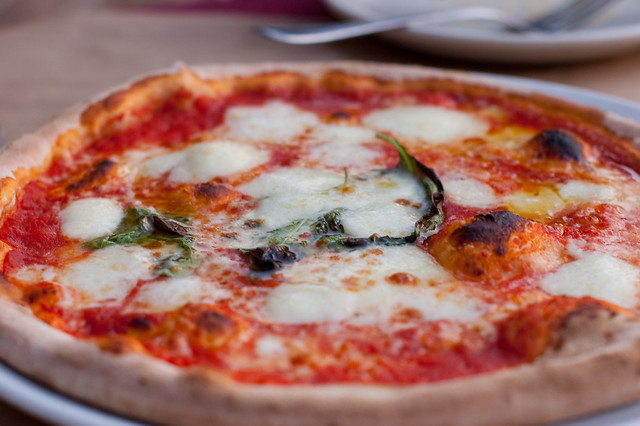
lebanese pizza

Traditional Lebanese toppings are what make Manoosh stand out from the rest. We do Lebanese pizza like no other and this is because we have woven what we know about the past into what we want to be the future of pizza.

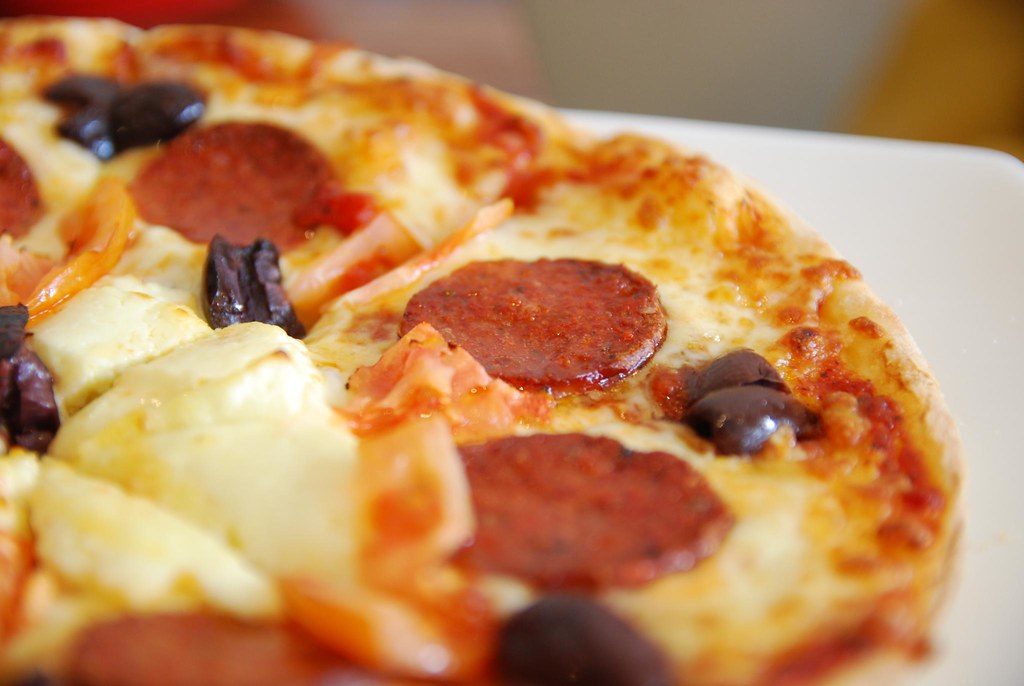
Sujuk

Sujuk has many different names – soudjouk, sucuk, sudzhuk and even soutzouki. No matter what the spelling, they all mean the same thing: delicious sausage dating back to ancient times. The Turks are said to have been its inventors, however, the dish quickly spread through the Balkans, the Middle East, Central Asia and the Mediterranean, each region with its own variations, depending on local produce and ingredients.

Many people liken it to salami due its high fat content, and in many ways they are similar: dry and salty. Sujuk is traditionally made from ground beef, but other meats are known to be used (including pork, mutton, and even horse meat). The meat is then combined with a selection of spices like garlic, cumin, sumac and red pepper before being prepared inside a sausage casing. Traditionally the intestinal walls of sheep and goats were used, but nowadays we use both natural and artificial products. Like salami, the sujuk is then hung and dried for a period, usually longer than three weeks.

The dryness of the sujuk means that it is best eaten thinly sliced and cooked. The fats and oils burn quickly to give the sujuk a crispy texture with a soft centre. It’s often served with fresh tomatoes and some garlic sauce on pita bread. Delicious.
lebanese pizza

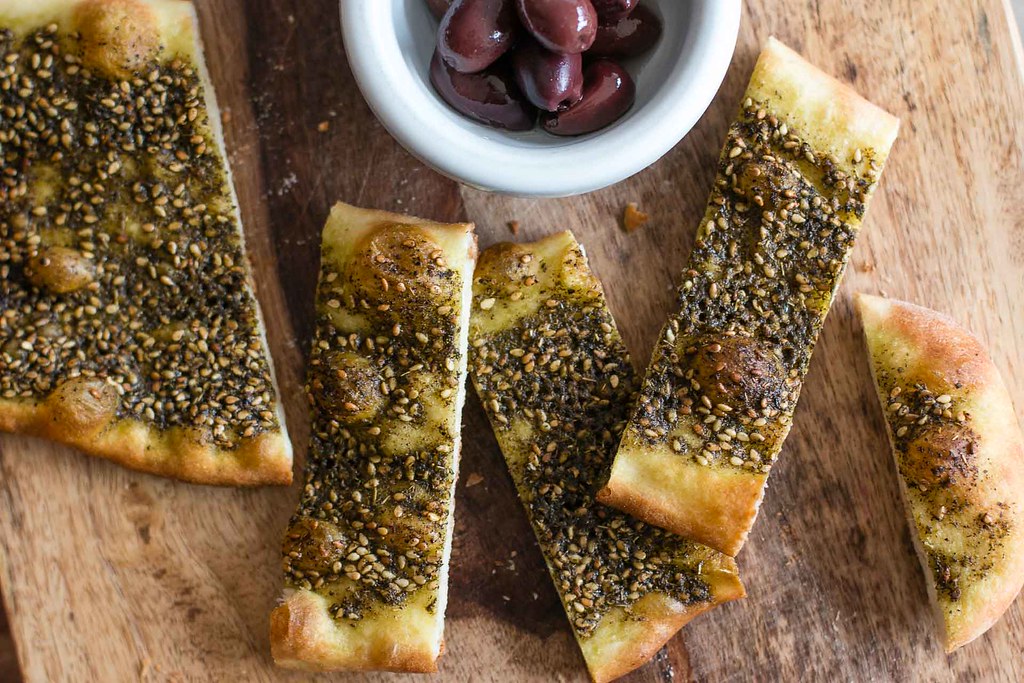
Za’atar

Za’atar is at the very crux of Lebanese food culture. It is made from a blend of herbs and spices, although what actually constitutes its makeup is still very much up for contention. One the herb front, za’atar is commonly accepted to be made from Origanum syriacum (Lebanese oregano) – but is also often made from herbs like wild thyme. Depending on the region the blend will differ due to different ingredients that are readily available, but a common combination would be dried thyme, oregano, marjoram, sumac, toasted sesame seeds and salt. What you get is a earth-coloured mixture that is fragrant and tasty. It is usually mixed with olive oil and spread on Lebanese bread. You will commonly find it on vegetarian Lebanese food as a substitute for tomato sauce as a base.
lebanese pizza

Minced Lamb

Minced lamb is a stable in any Lebanese diet. However, on its own can be relatively bland. In Lebanese cooking minced lamb (or beef) is usually embellished with a mixture of finely chopped vegetables and herbs such as capsicum, onions, tomatoes, mint, coriander and parsley. Spices are also added – usually a combination of sweet and spicy such as paprika and pepper, cinnamon and cumin. This mixture is commonly spread on flatbread and cooked in a woodfire oven. The resulting dish we call Lahembajin and it’s a Lebanese classic.

lebanese pizza

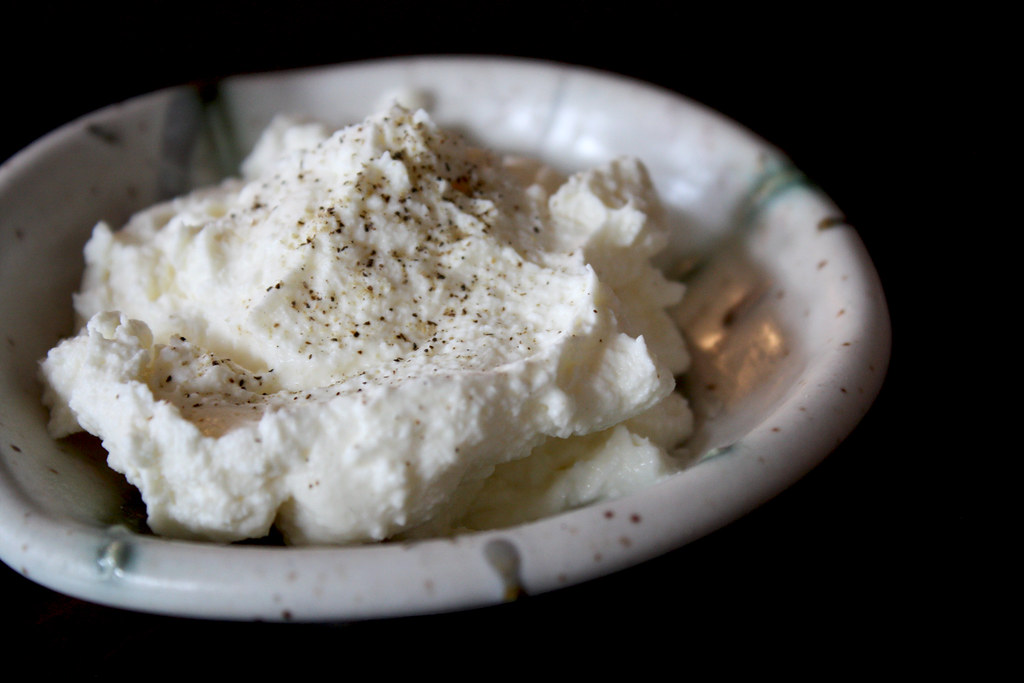
Labneh

An obscure pizza topping, but a delicious one if applied properly, labneh is an ancient Lebanese dish similar to a soft cheese made from the milk of  goats, sheep, cows, water buffalo and even camels. Lebneh is commonly used in traditional man’oushe style pizzas, and is absolutely delicious when coupled with za’atar.
lebanese pizza

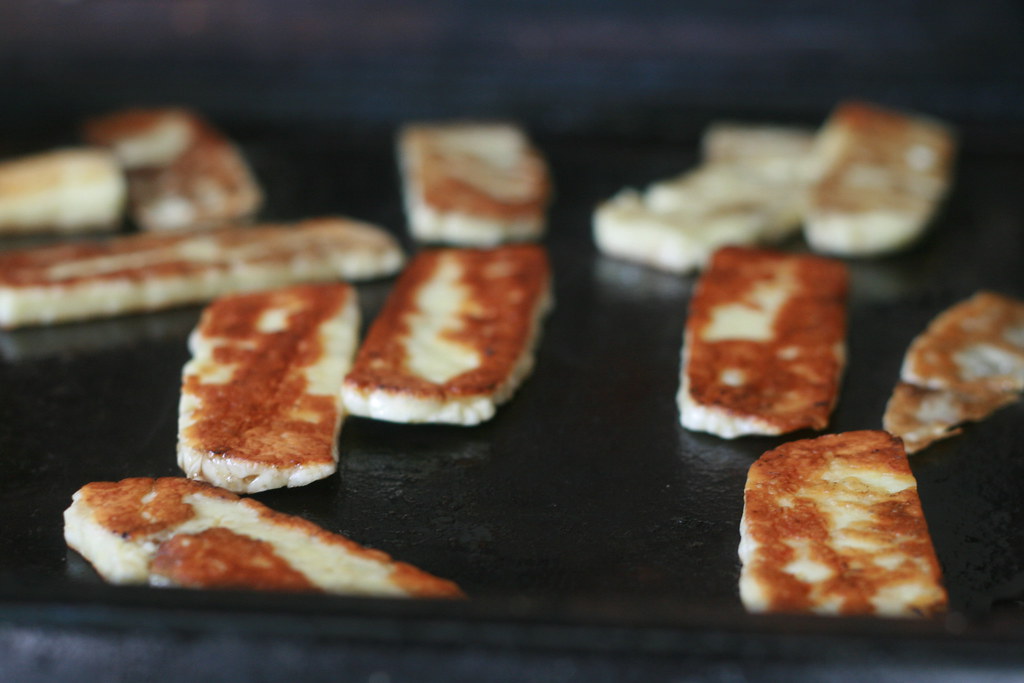
Haloumi

Not specifically a Lebanese invention, haloumi is a staple of many Middle Eastern and Mediterranean diets. A delicious, salty cheese variation, haloumi is a magnificent addition to any dish – especially gourmet pizza. Haloumi is a hard, white cheese traditionally made from a mixture of sheep and goat milk, though nowadays cow’s milk is sometimes added too. It is often fried or grilled, giving it a crispy texture. Lebanese haloumi, however, is woven and stretched into bundles and stored in olive oil, giving it a stringy texture more akin to mozzarella. You can often find Lebanese haloumi at Arabic grocery stores.
lebanese pizza

Traditional Lebanese ingredients are a wonderful addition to any pizza. To get a taste Lebanon, drop by OOSHMAN (formerly known as Manoosh) or order from us online, because nobody does Lebanese pizza like we do.

Or if you’re after top quality mobile pizza catering, get in touch today!

Categories
Blog Lebanese Food Traditional Ingredients

Now Serving Incredibly Yummy Cheesy Chorizo Balls

We like to keep our menu fresh and try our best to supply what our loyal customers ask for… OOSHMAN (formerly known as Manoosh) is proud to say we’re now serving up Cheesy Chorizo Balls: Smoked chorizo balls with melted cheese, encased in a crumbed potato dough served with a choice of a mini dip. And we’re not joking when we say they are Very. Very. Yummy.

cheesy chorizo balls

Cheesy Chorizo Balls: Smoked chorizo balls with melted cheese, encased in a crumbed potato dough served with a choice of a mini dip!..

If you’re already drooling and can’t wait to get your hands on these delicious morsels, drop by OOSHMAN or order online, and if you haven’t already, you can subscribe to our monthly newsletter to stay in the loop.

Categories
Blog Lebanese Food Traditional Ingredients

Forget Boaty McBoatface – Let’s Name the Manoosh Man

Forget Boaty McBoatface – that’s so last week. Now it’s time for the ultimate naming challenge. If you somehow haven’t already seen – getting the internet to name things is all the rage right now – from Grumpy McNoisy Butt to Pantless Thunder Goose. We thought it was high time that the much loved friendly neighbourhood Manoosh Man got his very own name. And who better to think of a name than our loyal customers and social media followers?

name the manoosh man

We thought it was high time that our much loved friendly neighbourhood pizza mascot got his very own name. So let’s name the Manoosh Man!

If you have a great idea for a name for our little guy, please head over to our Facebook page and leave your idea in the comments. Once we have enough suggestions – we’ll pick the best ideas and put them to a pole. And if you haven’t already seen #TheInternetNamesAnimals – here’s a little treat for you:

Screen Shot 2016-03-31 at 2.50.20 pm

Screen Shot 2016-03-31 at 2.50.01 pm

If you haven’t already, you can subscribe to our monthly newsletter to stay in the loop.

Categories
Blog Lebanese Food Traditional Ingredients

Manoosh Easter 2016 Opening Hours

The Easter long weekend is fast approaching – so here’s an update on our opening times!

Manoosh Easter

There’s no need to worry, OOSHMAN will be open all weekend so you’ll still be able to get your favourite pizza on Good Friday or Easter Monday!


Good Friday 25th March – Open 12pm until late

Saturday 26th March – Open 12pm until late

Sunday 27th March – Open 12pm until late

Easter Monday 28th March -Open 12pm until 11pm

The OOSHMAN team wishes you a very HAPPY EASTER 2016!
If you haven’t already, you can subscribe to our monthly newsletter to stay in the loop.

Categories
Blog Lebanese Food

Half a Ton of Vegan Cheese. The Great Daiya Dilemma!

One month after we put Daiya Vegan Cheese on the menu we sold out. We had no idea just how popular this stuff was going to be. We import Daiya from the other side of the world so when we found out there were transport issues, it was a massive blow for us and our customers.

Finally, after a 3 month vegan cheese drought – our delivery arrived.

This time we’ve bought half a ton which should keep us going for a little while.

IMG_1103-705

We import Daiya vegan cheese from the other side of the world so when we found out there were transport issues, it was a massive blow for us and our customers!

Daiya is pretty amazing, and even some our non vegan customers are starting to ask for it. If you haven’t tried it yet and your intrigued, drop by and try one of our vegan pizza’s.

If you wan’t to know more about the brand, their philosophy and their story, check out their website – it’s amazing stuff.

vegan cheese sydney

Also, for all our loyal vegan customers, we’re also partnering with Booza to supply us with vegan ice cream.

Drop by OOSHMAN (formerly known as Manoosh) or order online, and if you haven’t already, you can subscribe to our monthly newsletter to stay in the loop. We are playing up some of the finest vegan and vegetarian food the inner west has to offer!

Categories
Blog Lebanese Food

Big Love for New Marrickville Store and New Delivery Areas!

On 1st February 2016 our second store in Marrickville opened for business, and since then we almost can’t keep the pizza’s coming fast enough! Everyone has been amazingly supportive, and we’re extremely grateful to our loyal customers, new and old, for being so supportive and spreading the word about OOSHMAN (formerly known as Manoosh).

If you or anyone you know live in Wolli Creek, Earlwood, or Hurlstone Park, the great news is that we now deliver from our new Store! More OOSHMAN for more people!

new manoosh

Not only are our delivery times even faster with the new store, we now deliver to Wolli Creek, Earlwood, and Hurlstone Park!

Also, if you haven’t already heard, we’re also partnering with Booza to supply us with vegan ice cream and Ben and Jerry’s to supply us with ice cream.

The other big change is that we’ve now changed up the way we serve our classic Lebanese style pizza‘s!

Drop by OOSHMAN or order online, and if you haven’t already, you can subscribe to our monthly newsletter to stay in the loop.

Categories
Blog Lebanese Food Traditional Ingredients

A Brief History of Pizza in Australia

Pizza is the most popular takeaway food in the world, with minor variations of the dish scattered all across the globe. Delicious, comforting and versatile, it has a proud and colourful history, with different cultures boasting their own variations dating back thousands of years. Today in Australia we are blessed with a variety of different pizza options thanks to our multi-national food culture. Let’s have a look at how we got to where we are today.

a brief history of pizza in australia
CC image courtesy of Steven Lilley

Let’s take a look at a brief history of pizza and how it got to Australia: from the classic Pizzas to the modern, multicultural variations of the dish.

A Brief History of Pizza

Pizza is one of the world’s most beloved foods; there’s no doubting it. In its most simple form, pizza can be described as an oven-baked flatbread topped with sauce and cheese, but the modern pizza has become so much more than that. Its origins can be traced back to the Ancient Greeks, who would adorn their breads with ingredients like oil, herbs and cheese, in a crude version of the now illustrious dish.

The etymology of the word ‘pizza’ itself is, of course, Italian, with the first recorded use of the word dating back to a Latin text from Gaeta in southern Italy, around 997 AD. Going even further back, the word can be traced to the Ancient Greek work pikte, the Latin picta, or the Old High German word bizzo or pizzo, meaning mouthful. As is the case with many modern words, nobody is exactly sure where it originated from.

history of pizza sydney
Image courtesy of rob koziura

The modern flatbread pizza was born in Naples, Italy, around the end of the 19th century. Popular legend details that the classic pizza Marghertia was invented in 1889 when Raffaele Esposito, a famous pizza maker, was commissioned to create a dish for Queen Marghertia.

Of the three different types of pizza he made for her, the Queen preferred the one that best represented Italy – with red tomato sauce, white mozzarella and green basil – the colours of the Italian national flag. Thus the modern marghertia pizza was born.

Man’oushe

One of Lebanon’s most famous dishes, man’oushe, or manoosh, is a close relative of the classic Italian pizza. Following a similar method to its Mediterranean cousin, traditional Lebanese man’oushe is a dish made from flatbread, topped with zaatar and ingredients such as fresh herbs and vegetables, meats and cheeses, and cooked in an oven at very high temperatures.

Traditionally consumed for breakfast, man’oushe is a mainstay of traditional Lebanese food culture. Differing from Italian pizza, man’oushe uses a bread that is chewier, with a crusty exterior and zaatar as a base, and harnesses the possibility of endless topping combinations. You can see why we used it as our namesake.

history of lebanese pizza

Pizza culture in Australia is very much ingrained in our multicultural identity. In the mid to late 19th century, troves of European migrants came to Australian shores in search of gold and work. By the 1920’s pizza had begun to become a part of Australia’s food culture, but it wasn’t until the post-WWII mass migrations of Europeans in the 1950’s and 60’s that saw our obsession with pizza really explode. In 1961, Toto’s Pizza House, the country’s first dedicated pizza restaurant, opened its door in Carlton, Melbourne – a classic, modern Italian pizza place.

Since that time, endless cultural crossovers have seen the modern Australian pizza evolve into something marvellous, containing elements from around the world that have come together to create something that is both universal and unique.

If you’re in Sydney and want to try a great modern Aussie pizza or our Lebanese take on pizza, Drop by OOSHMAN (formerly known as Manoosh) or order online.

Categories
Blog Lebanese Food

It’s Nearly Here! New OOSHMAN in Marrickville!

If you haven’t already heard (where have you been!) there is a new OOSHMAN (formerly known as Manoosh) restaurant opening in Marrickville! This means our delivery area will be expanding (more details later) and our delivery times will be even faster. Remember, if you or anyone you know is unfortunate enough to be out of our delivery area – now there is hope! We’re open for business from 1st February 2016!

new manoosh

A new OOSHMAN Restaurant means our delivery area will be expanding, and our delivery times will be even faster!

Also, as if things couldn’t get any better, We are also partnering with Booza to supply us with vegan ice cream and Ben and Jerry’s to supply us with ice cream.

Once the new place opens, will be changing up the way we serve our classic Lebanese style pizza’s too. You can read more here.

Drop by OOSHMAN or order online, and if you haven’t already, you can subscribe to our monthly newsletter to stay in the loop.

Categories
Blog Lebanese Food

OOSHMAN’s Lebanese Pizzas go Back to the Old School

Stop the press! There’s some hot new Pizza news direct from OOSHMAN (formerly known as Manoosh) HQ!

OOSHMAN pizzeria has a new (old) way of serving Lebanese style pizzas.

For the past 7 years we have been serving our Lebanese style Meat pizza (Lahembajin) Sujuk Pizza, Kufta Pizza and Cheese Pizza in a box open flat like a pizza.

Once we open our new store in Marrickville (if you’ve been living under a rock and haven’t heard about the new store, read this) we will be going back to the traditional way of folding the pizza and wrapping it.

IMG_8844-re2

Along with our new restaurant, comes a new way of serving our classic Lebanese style Pizzas, and there’s a lot of benefits to this too…

Not only is this cool because it’s the traditional way of serving, but look at all the benefits!

✓ Green for the environment as we are using less cardboard
✓ Traditional way of serving a Lebanese pizza
✓ Guaranteed to stay warmer 4 times longer as the pizza is folded on top of eachother and isn’t exposed to air. Being light with less toppings will go cold faster, however this way will keep it warmer.
✓ Easier to eat
✓ Easier to pack away in a bag for lunch/dinner
✓ Less boxes meaning less space taken up
✓ Can put in a bag when taking home so easier to carry while walking or riding a bike

Drop by OOSHMAN or order online, and if you haven’t already, you can subscribe to our monthly newsletter to stay in the loop.

Categories
Blog Lebanese Food Traditional Ingredients

Awesome Traditional Lebanese Ingredients & Cooking Techniques

Lebanese cuisine has been around for thousands of years and amazingly little has changed since ancient times, with the secret to this healthy and delicious food still being fresh ingredients and time tested techniques. As Lebanese food continues to rise in popularity around the world, we look at some of the most awesome traditional Lebanese ingredients & cooking techniques. Let’s take a look at a few of the essential elements of traditional Lebanese cooking.

Awesome Traditional Lebanese Ingredients & Cooking Techniques
CC Image Courtesy of insatiablemunch on Flickr http://bit.ly/1RjCQBO

Traditional Lebanese food is famous for its fresh ingredients with everything from mint and parsley to cucumber and tomatoes playing key roles in classic dishes.


Traditional Lebanese Food Ingredients

Fresh herbs and vegetables

Traditional Lebanese food is famous for its fresh ingredients with everything from mint and parsley to cucumber and tomatoes playing key roles in classic dishes. Regardless of whether you are preparing a falafel wrap, a shawarma or salads such as tabouleh or fattoush, they simply wouldn’t be the same without the burst of flavour provided by fresh local ingredients.

top lebanese ingredients

Bread

In Lebanese cuisine nothing is more important than bread as we eat fresh baked pita with every meal of the day. Pita provides the perfect way to enjoy our many dips, such as hommus and baba ghannouj; it is the ideal vessel for encasing falafel balls or marinated meats, or you can simply slather your pita with labne for a fast and healthy breakfast.

main lebanese cooking techniques
CC image courtesy of jeffreyw on flickr http://bit.ly/1Dtyqwz

Tahini

Made from crushed sesame seeds, tahini has been a core part of Lebanese cuisine for thousands of years. Apart from being a central ingredient in any authentic hommus, tahini is added as a dressing to everything from falafel wraps to shawarmas, making it an essential element in any Lebanese kitchen.

traditional lebanese food

Legumes

Our cuisine also includes plenty of legumes, particularly chick peas and lentils, both of which have a wide range of health benefits. Chick peas are the star of the show in classics such as falafel and hommus, while one of our most popular dishes, mujadara, basically consists of lentils, onions and rice.

traditional lebanese cooking

Lamb

While Lebanese food nowadays can contain anything from beef to lamb to chicken, lamb is the traditional meat of choice. Our many mouth-watering lamb dishes include our national dish, kebbeh nayeh, as well as our wildly popular ground lamb kufta kebabs.

lebanese cooking techniques
CC image courtesy of Basher Tome on flickr http://bit.ly/1L9FKzE

Traditional Lebanese Cooking Techniques

Vertical roasting

Since the early days of the Ottoman occupation Lebanese cooks have been roasting meat on vertical spits; this enables the meat to cook in its own fats and juices making it tender and delicious. Our most famous dish utilising the vertical roasting technique is none other than shawarma.

Grilling

Few cultures have been grilling longer than we have, with our traditional ground lamb kufta kebabs one of our most famous grilled specialties. Lebanese cuisine also includes a variety of grilled skewers that can include all manner of meats and vegetables.

Baking

Wood fired ovens have been in use in the Middle East for eons, so it should come as no surprise that Lebanese people have mastered the art of baking. Our many baked specialties include the flat bread ‘Lebanese pizzas’ known as manoosh, as well as our impossibly delicious baklava.

Frying

While Lebanese don’t tend to cook in oil very much frying certainly has its place in a true Lebanese kitchen, particularly when it comes to preparing the perfect falafel balls or a delicious batch of fried kebbeh.

Get the year started off right by treating yourself to some of Sydney’s most delicious and authentic Lebanese food. Simply drop by OOSHMAN (formerly known as Manoosh) or order from us online, because you haven’t lived until you have tasted our traditional Lebanese cuisine.